A support should fit the child, not the other way around
Parents in one Canadian study asked for respect, clear goals and a real working relationship.

What studies can — and cannot — tell families about support in childhood.
Parents in one Canadian study asked for respect, clear goals and a real working relationship.
A review of 34 studies is a gentle reminder: a sibling can feel love, pride, questions and sometimes too much, all in the same week.

A study of 167 young autistic children shows why ‘verbal’ or ‘non-speaking’ alone can miss part of the picture.

Parents described positive changes after one programme. The study cannot say what caused them.
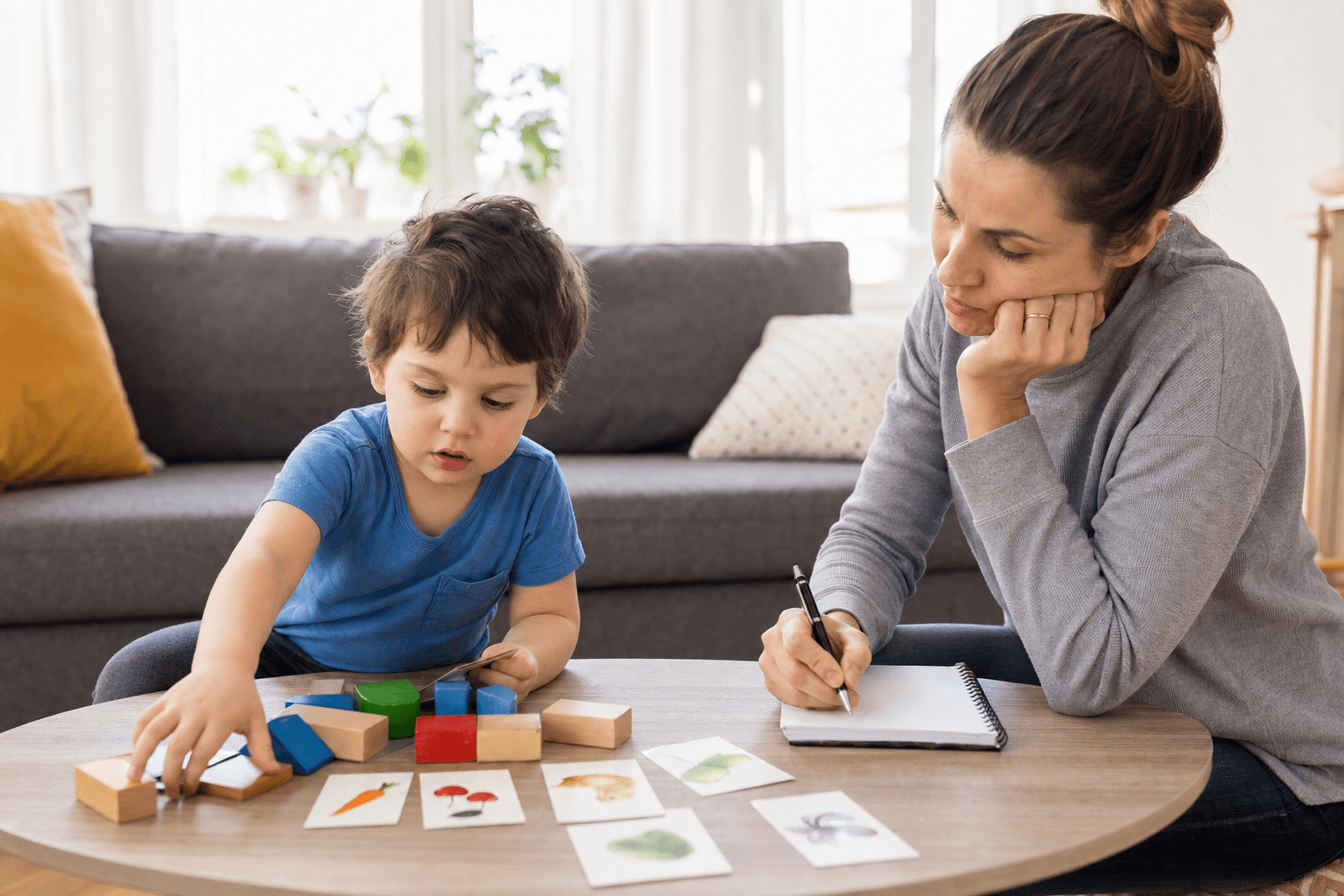
A small study watched English–Spanish family conversations. It found interaction in both languages, not a rule for every home.

A review found a possible signal on some thinking tests. It cannot prescribe a child’s week.

A service programme had some encouraging parent-reported results. It was not a controlled trial.

A review found a possible benefit on some thinking tasks. It does not make VR a must.

The M-CHAT-S looks promising in a first study. It needs much more real-world testing.

Twelve qualitative studies show what can make parenting support hard to reach — and more respectful.

One Australian survey found a local wellbeing gap. It is a reason to listen better, not to make assumptions about families.
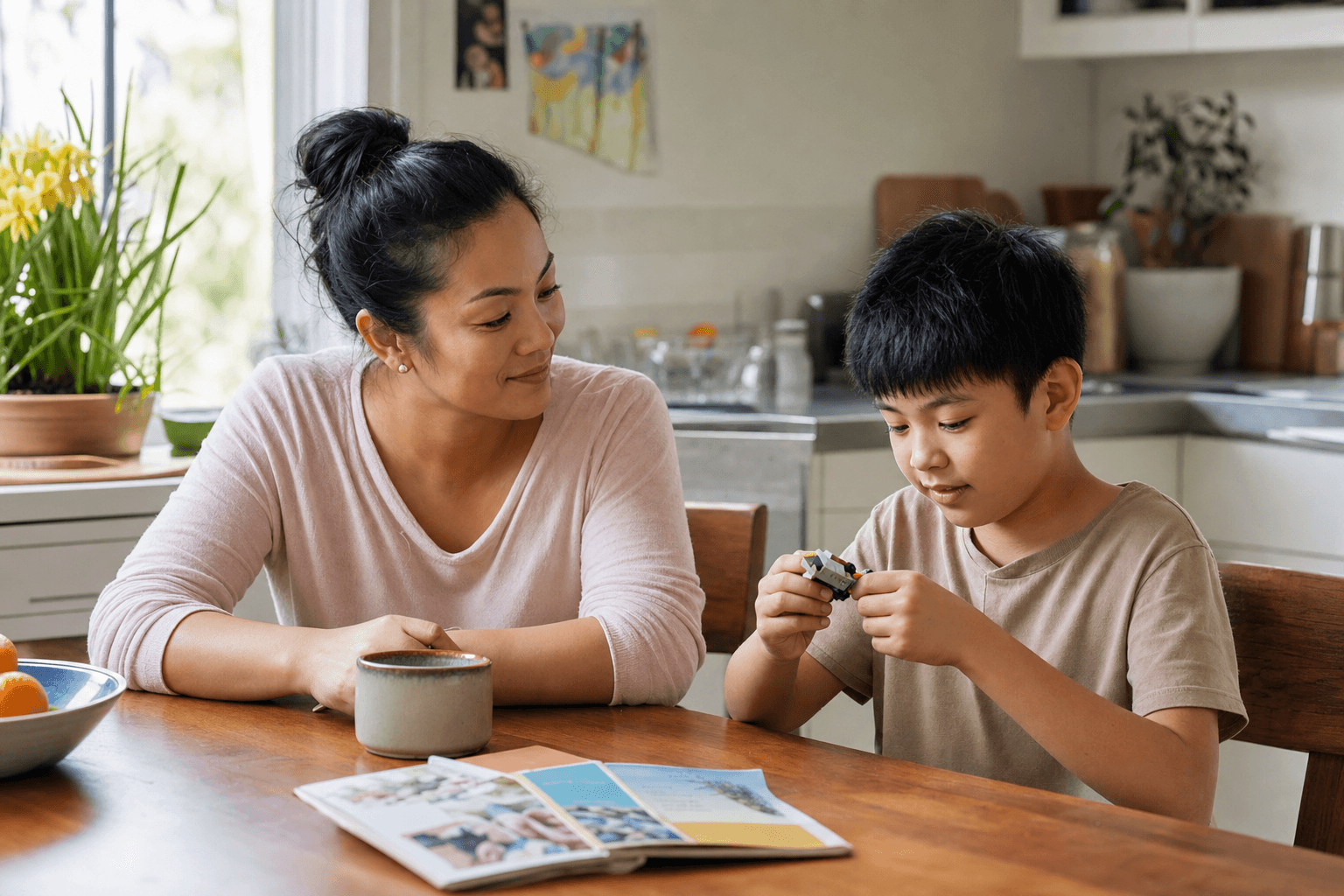
A review found possible motor-skill gains. Its studies were fragile, and the child’s own choice still matters most.
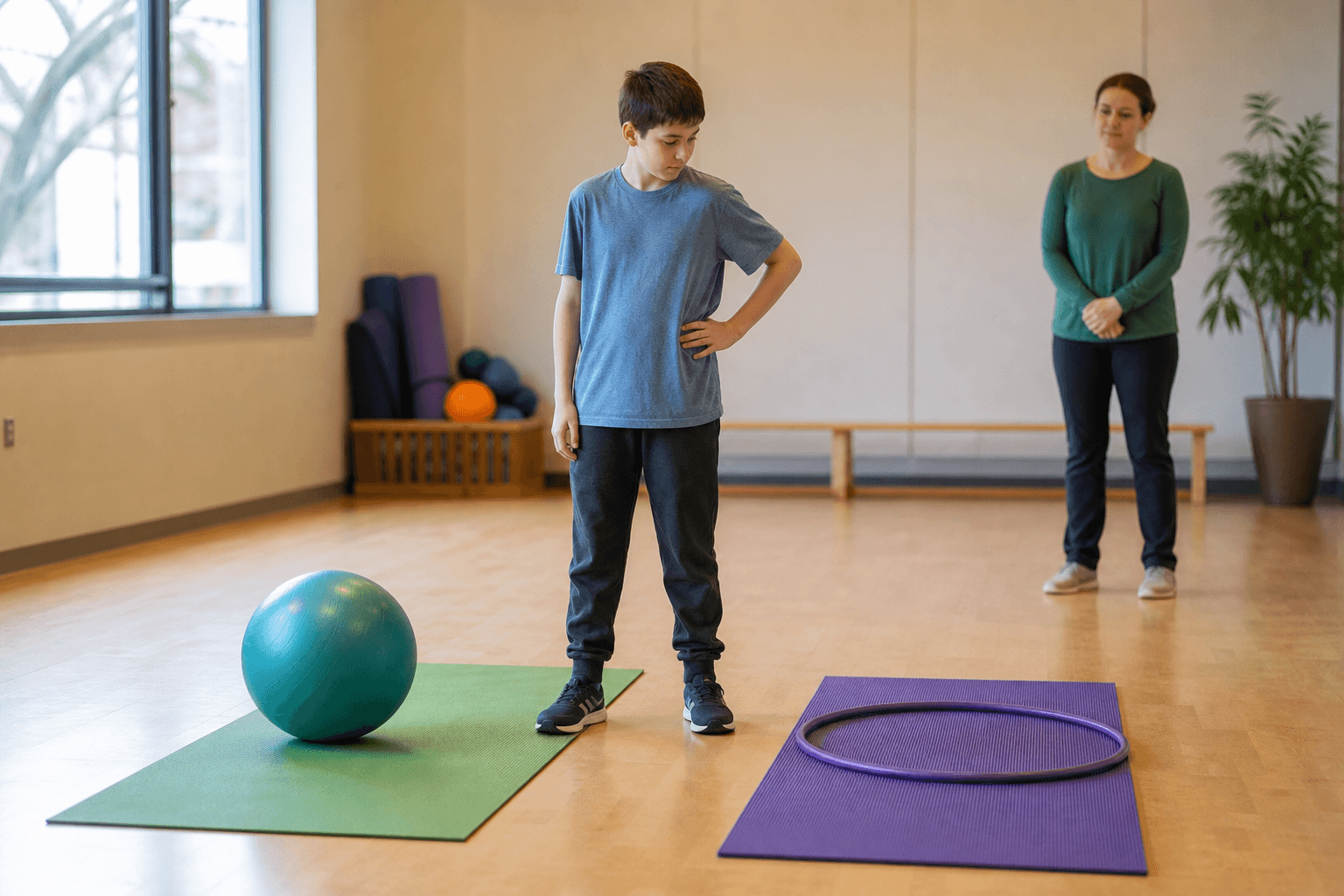
A review of 21 trials found that about one in four autistic young people left before the end. That is a prompt for flexibility, not pressure.
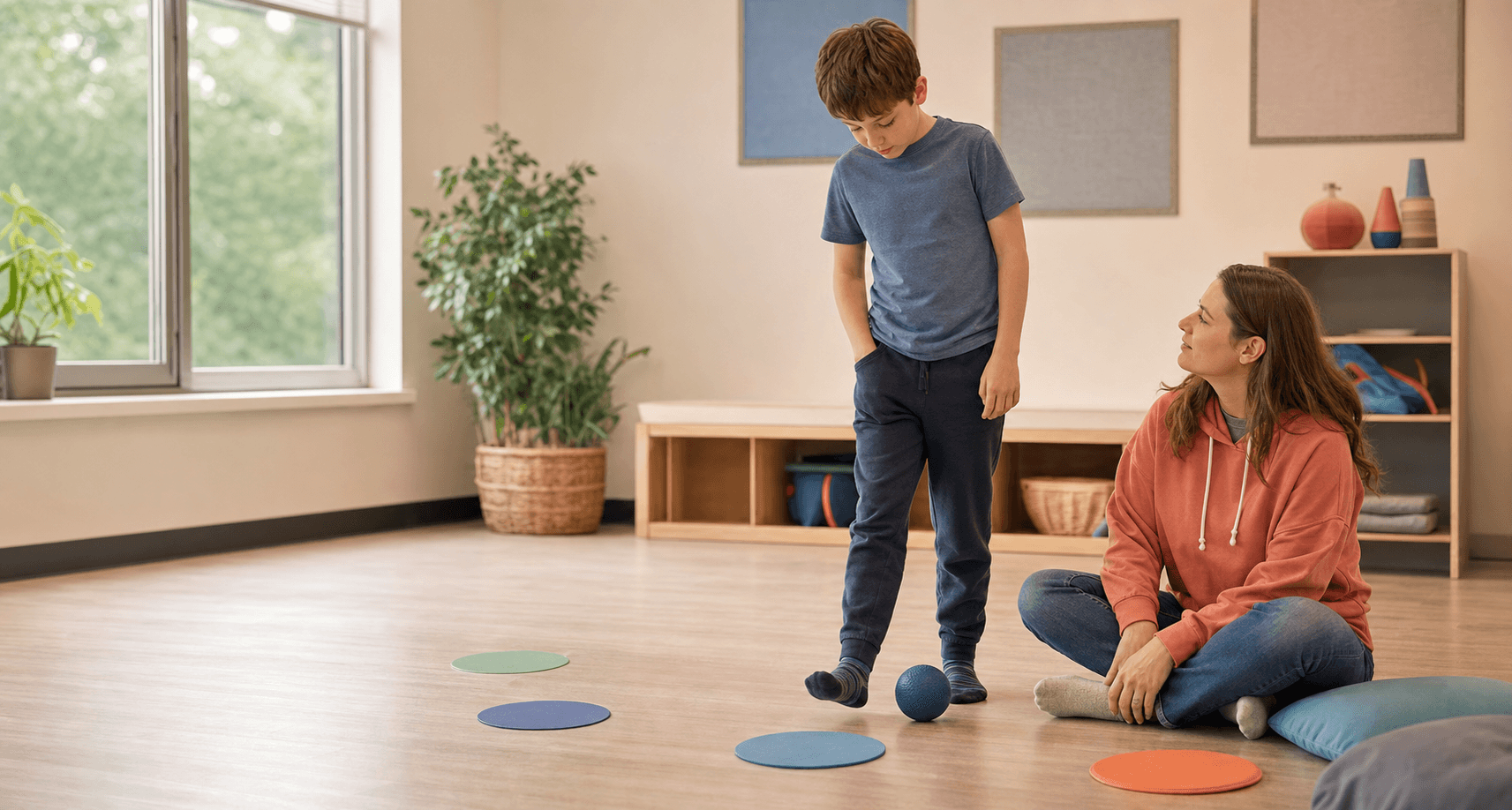
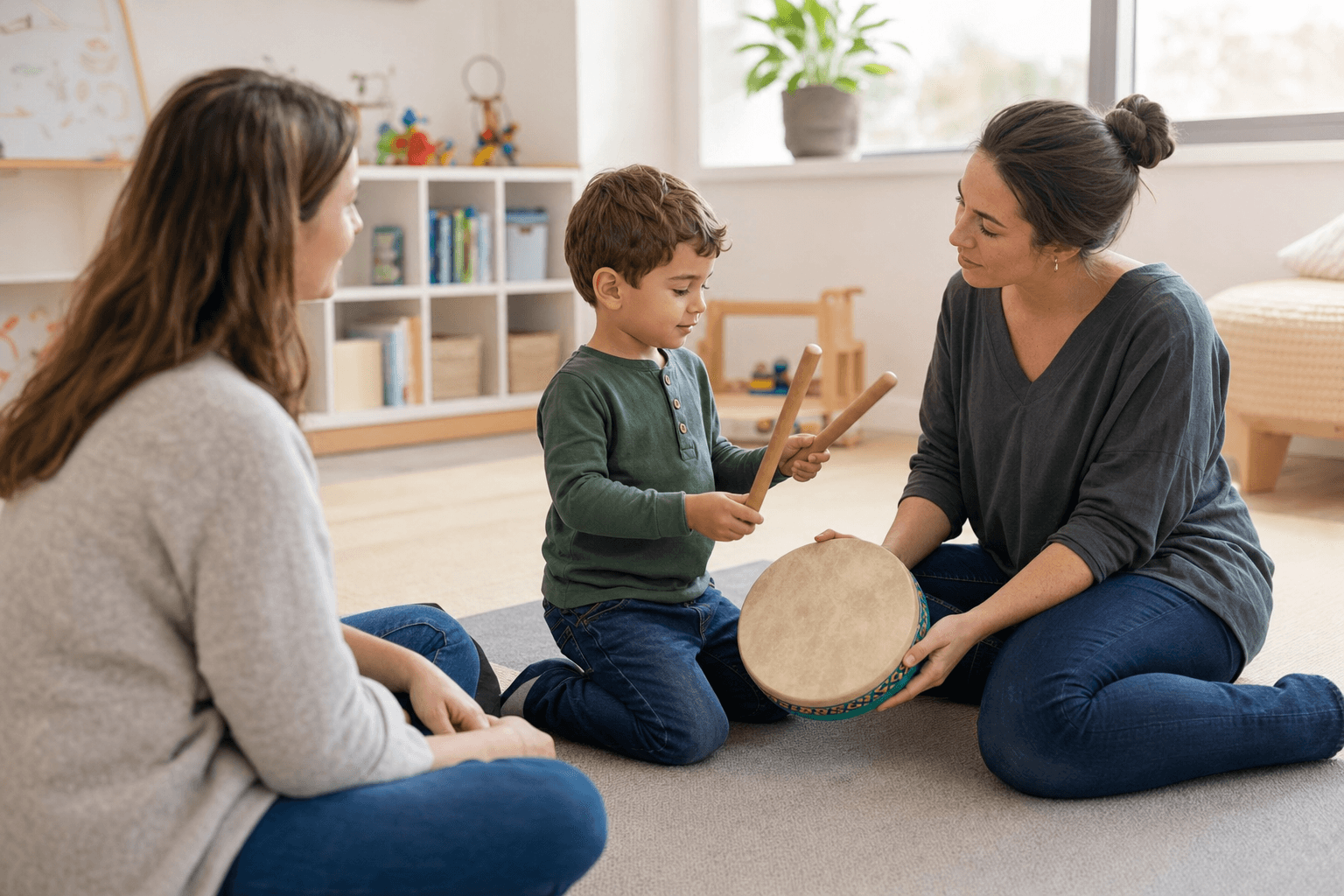
A small trial found no extra language benefit when group music therapy was added to speech therapy. That is useful to know — without taking the joy out of music.
One French area counted more children. It is a real change in records — not proof of a sudden cause.

A careful guide for parents making choices for a young child.