A support should fit the child, not the other way around
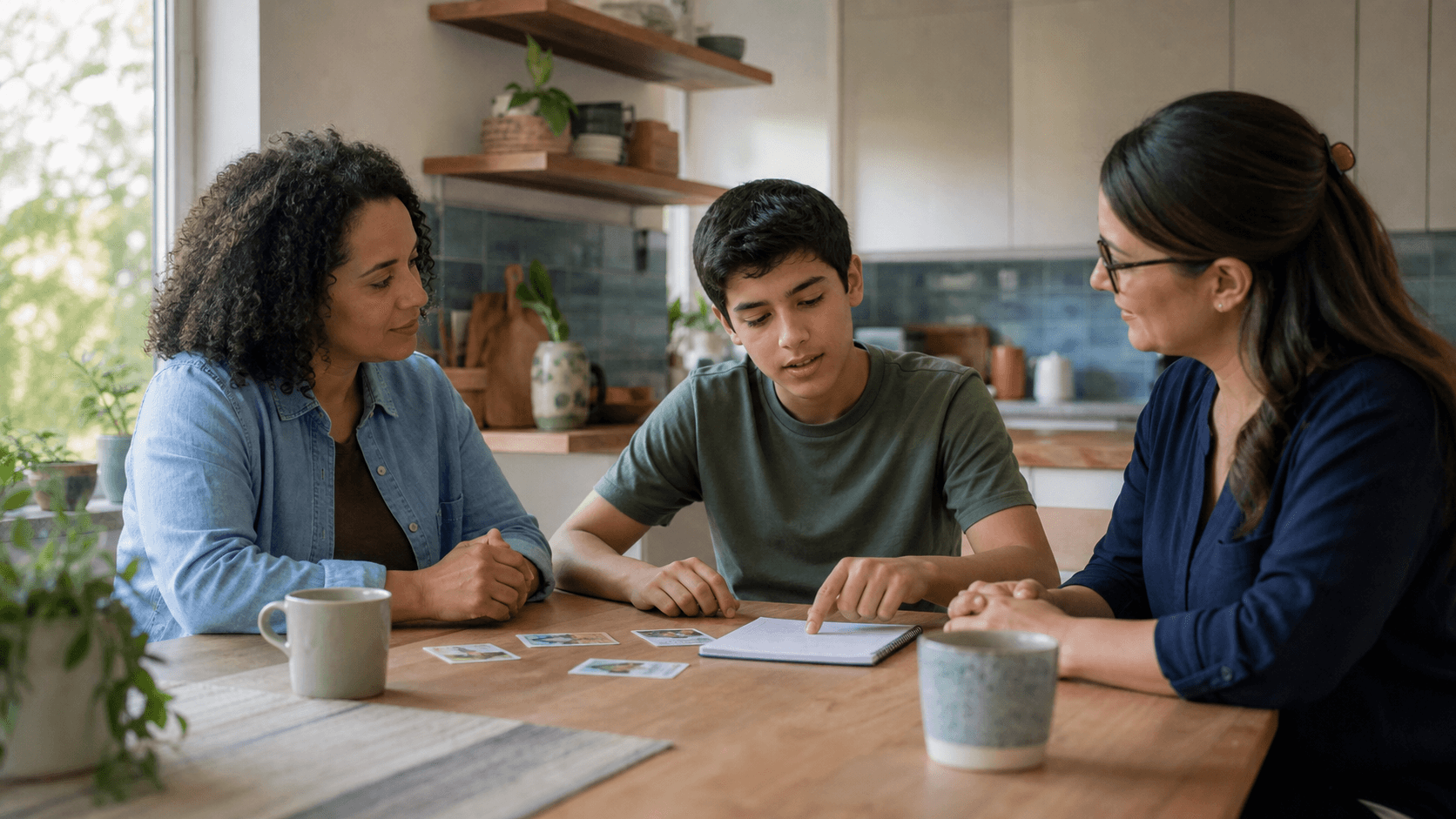
Parents in one Canadian study asked for respect, clear goals and a real working relationship.
Every explanation starts with a named source and ends with what remains uncertain.
Parents in one Canadian study asked for respect, clear goals and a real working relationship.
A review of 34 studies is a gentle reminder: a sibling can feel love, pride, questions and sometimes too much, all in the same week.
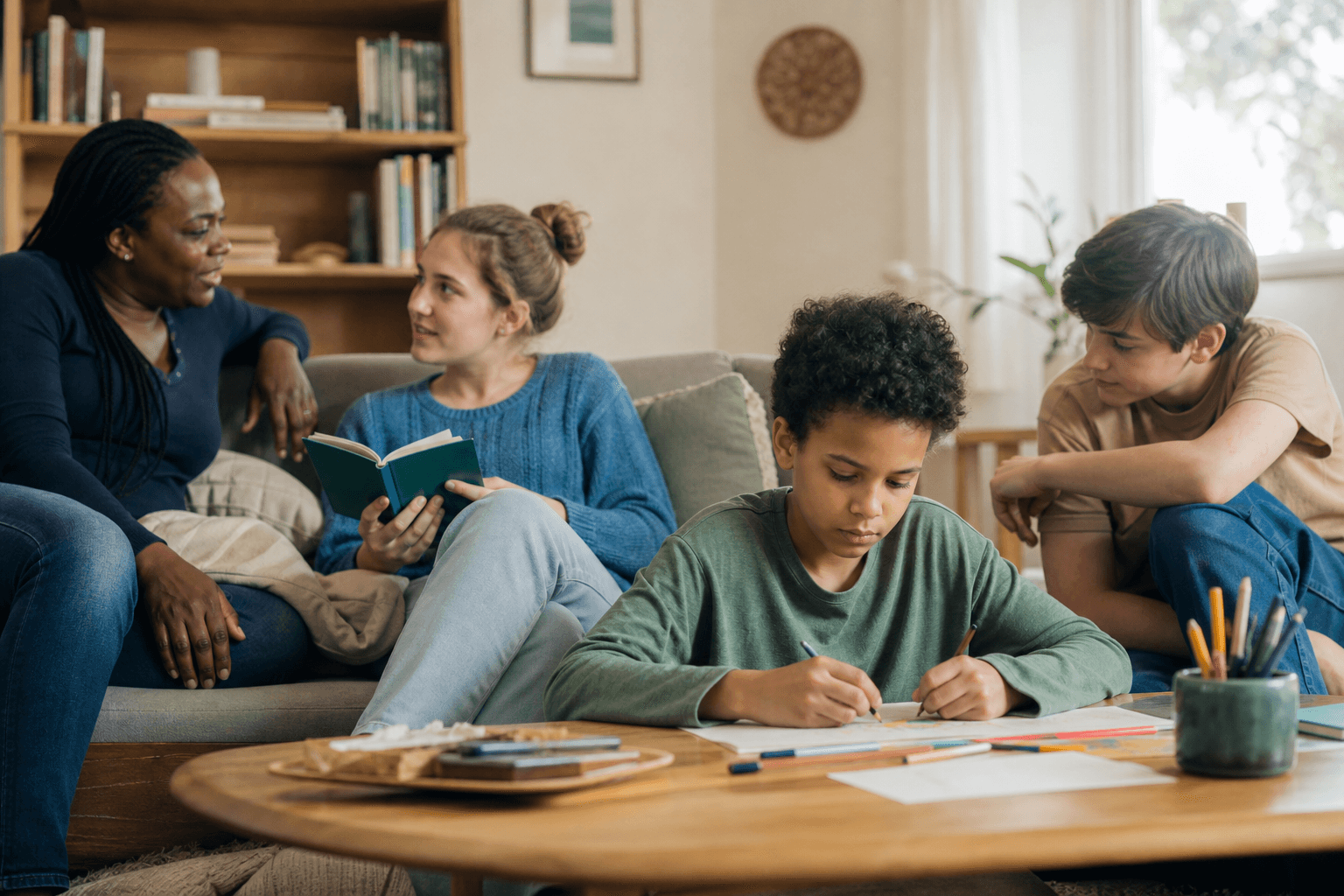
Nineteen autistic young people described a gradual move into adult health care, with room for both choice and support.
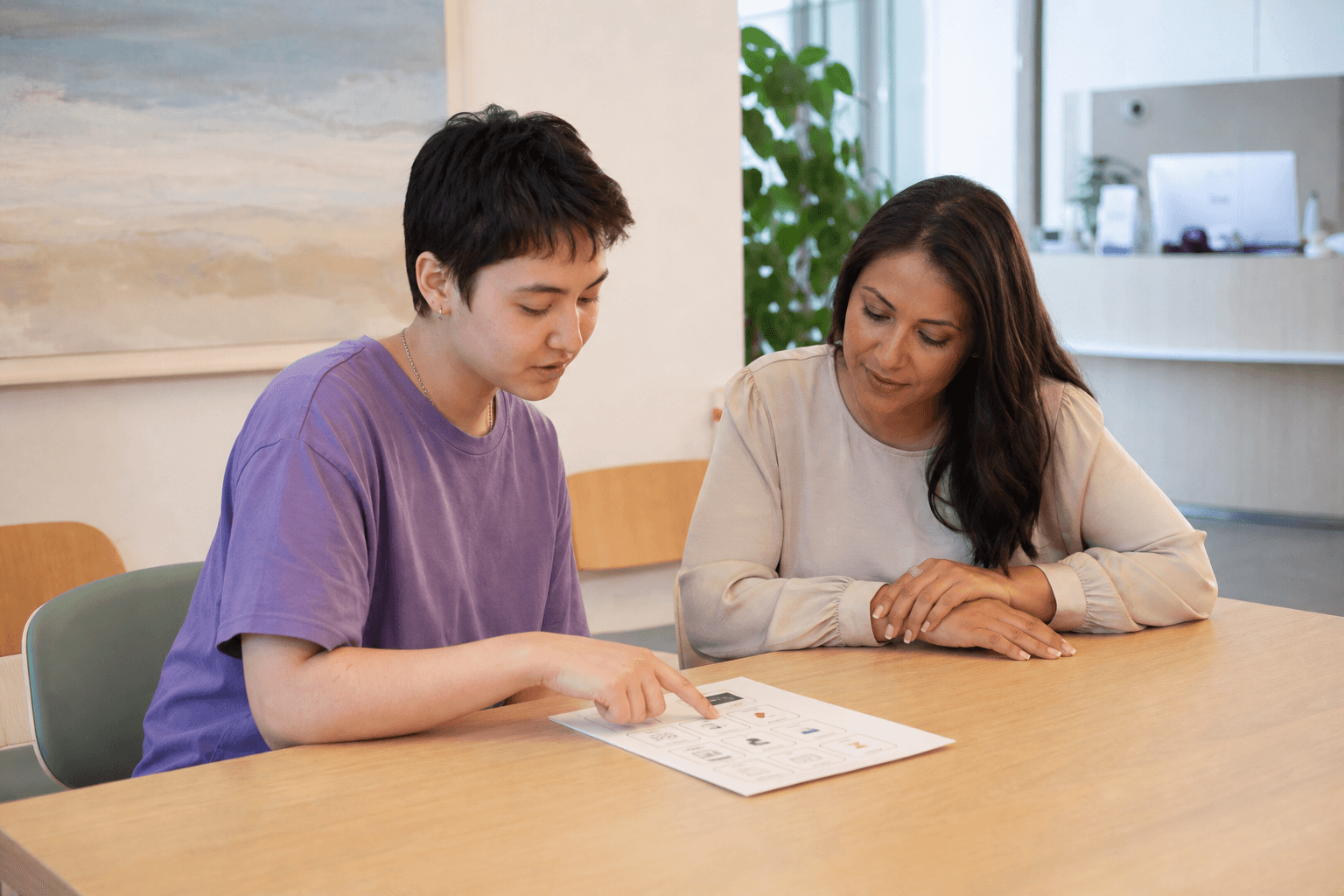
Young autistic people and parents described how pressure, uncertainty and feeling unheard can shape mental health. Their accounts are a reason to listen, not a formula.
A study of 167 young autistic children shows why ‘verbal’ or ‘non-speaking’ alone can miss part of the picture.
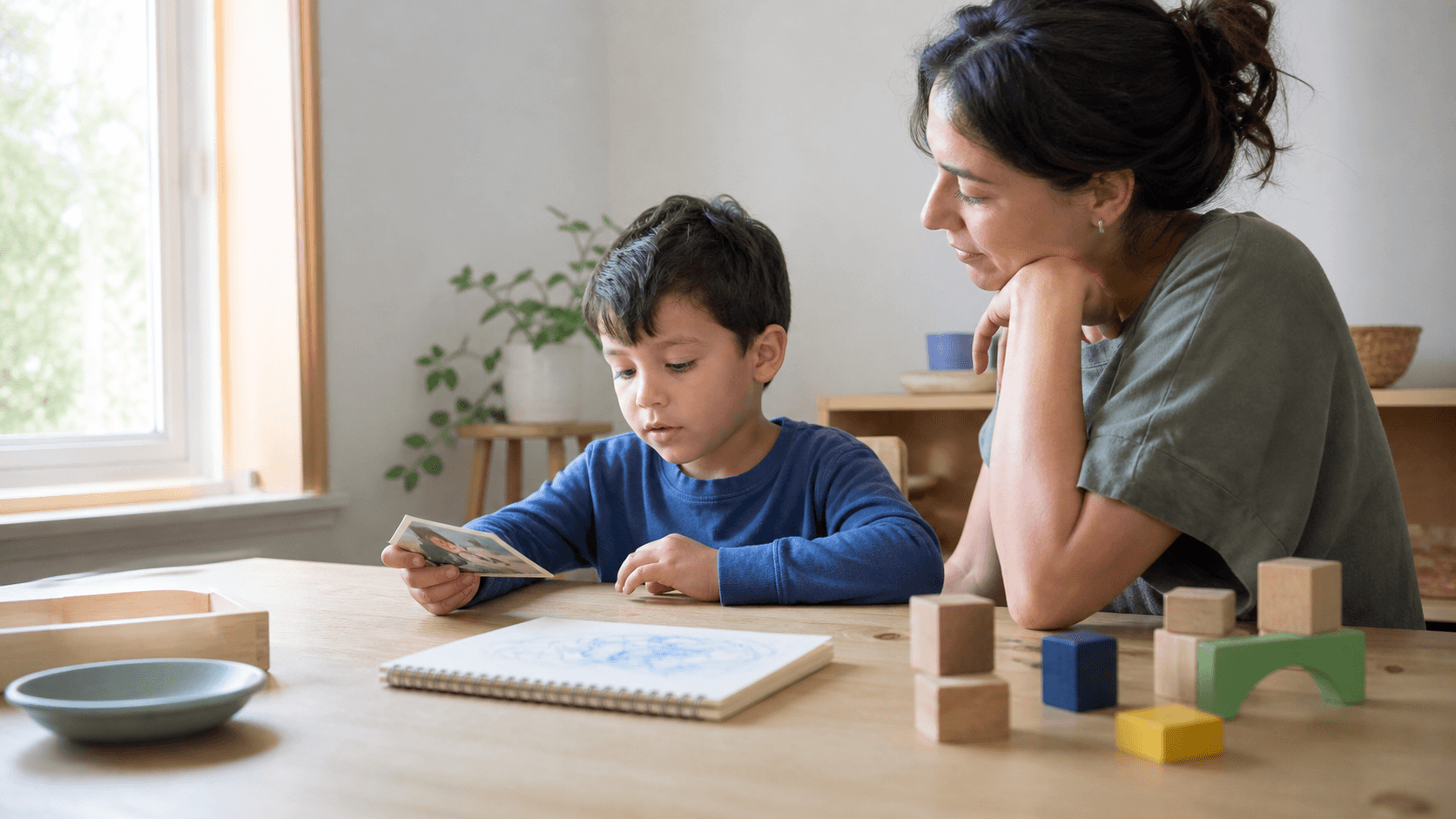
A study of 1,093 autistic children is a reminder that physical discomfort should not be dismissed as ‘just autism’.

165 autistic adults described how place and feelings can shape a conversation. Their accounts are a reason to listen, not a set of rules.
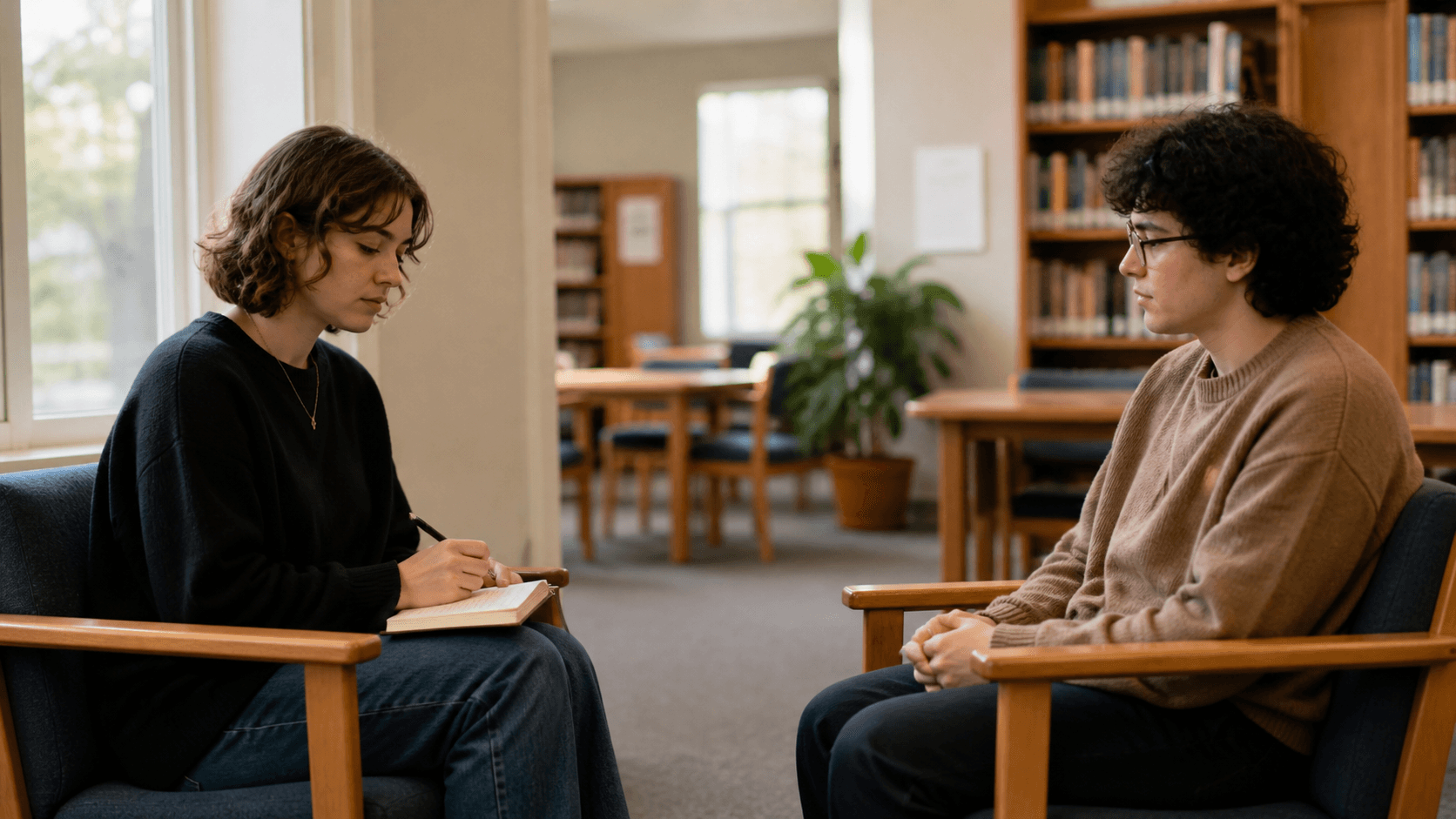
131 employed autistic adults described the effort of camouflaging at work. It points to workplace pressure, not a flaw to fix in a person.

Autistic adults in one study used metaphors to describe shutdowns. Their words can help a conversation begin, without defining anyone from the outside.

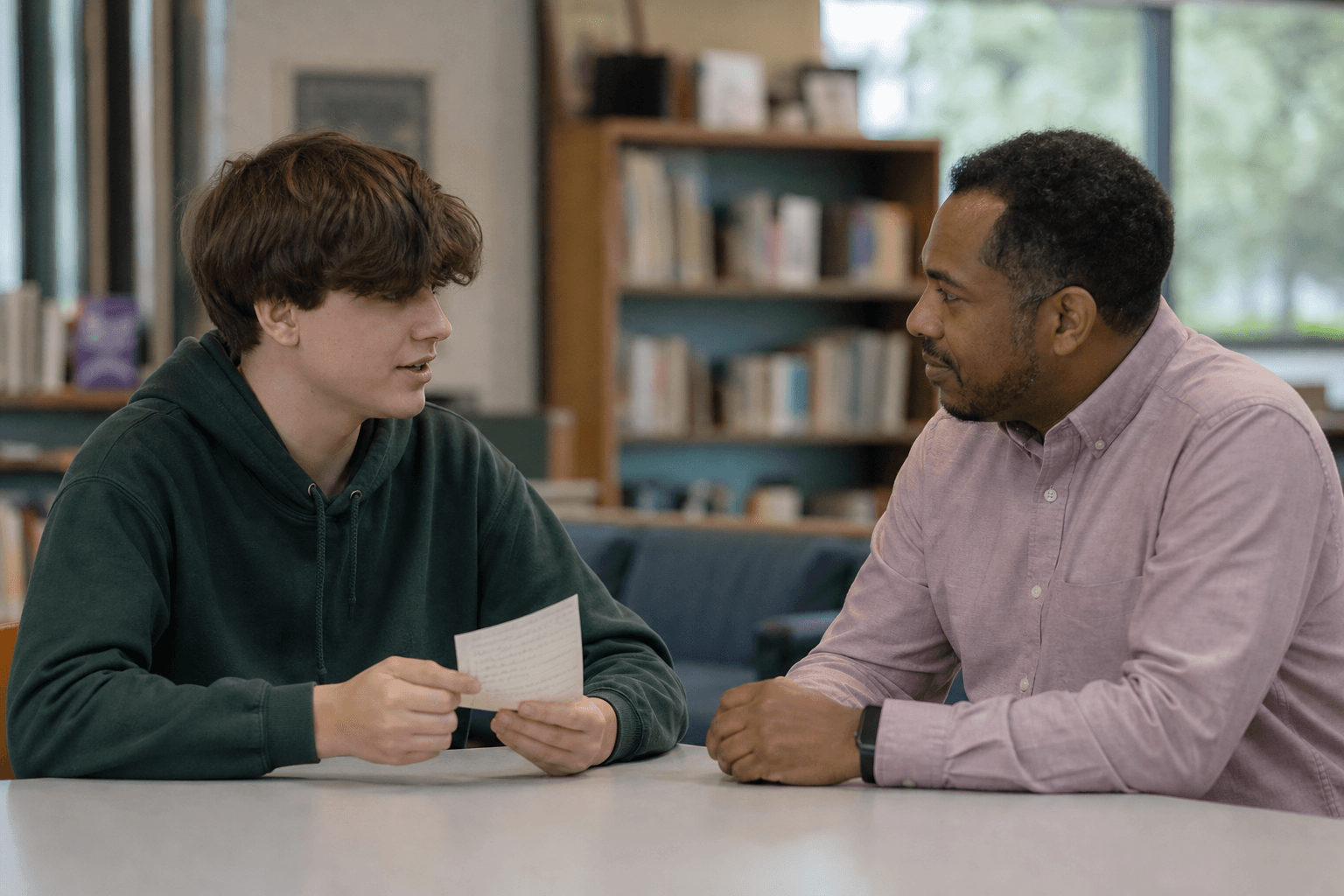
Forty-two autistic teenagers described what matters to them. Their answers are a starting point for listening, not a script for anyone’s life.
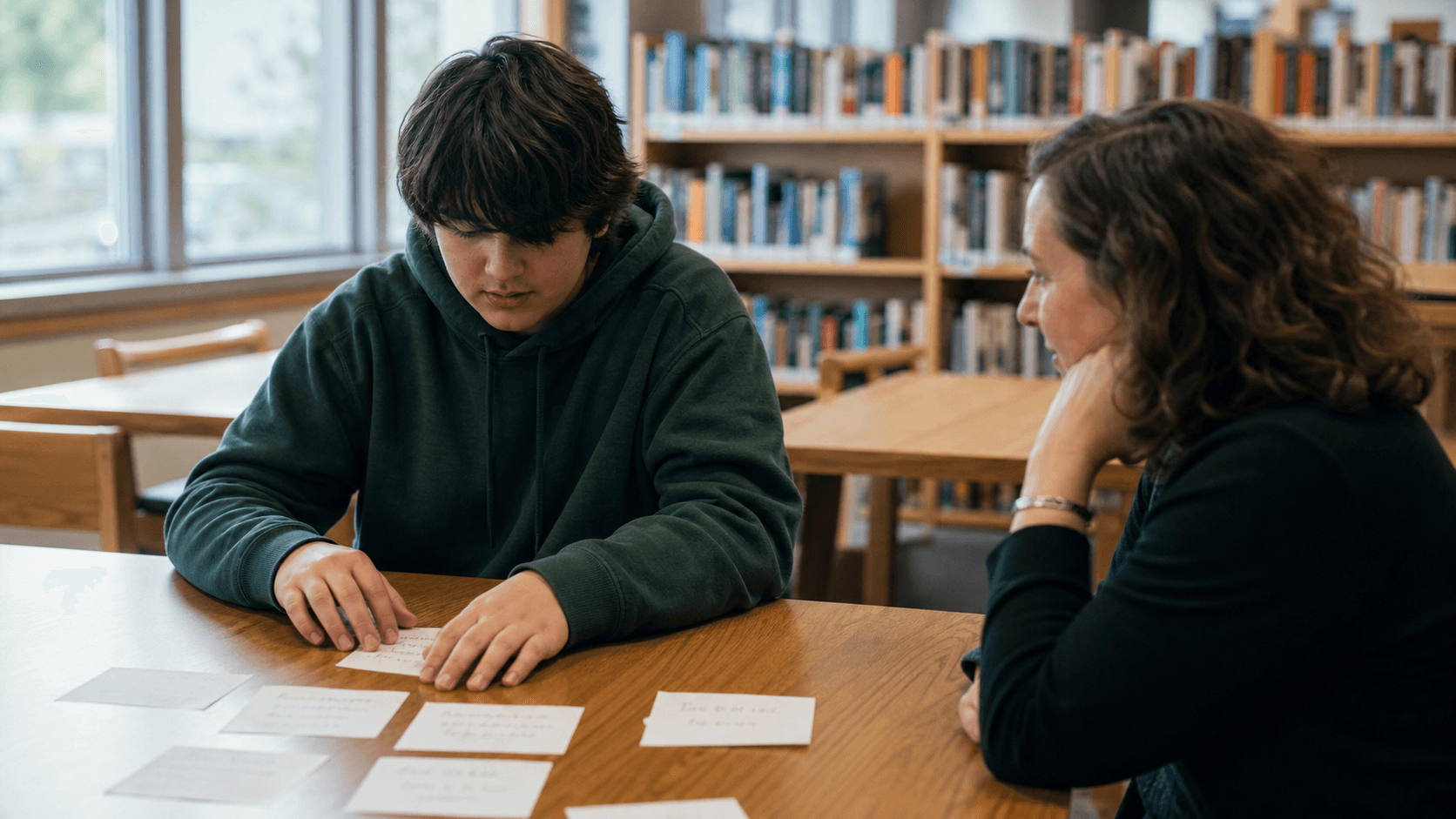
AI-supported tools may be useful for some people. A new review says the evidence is still too uneven for big promises.
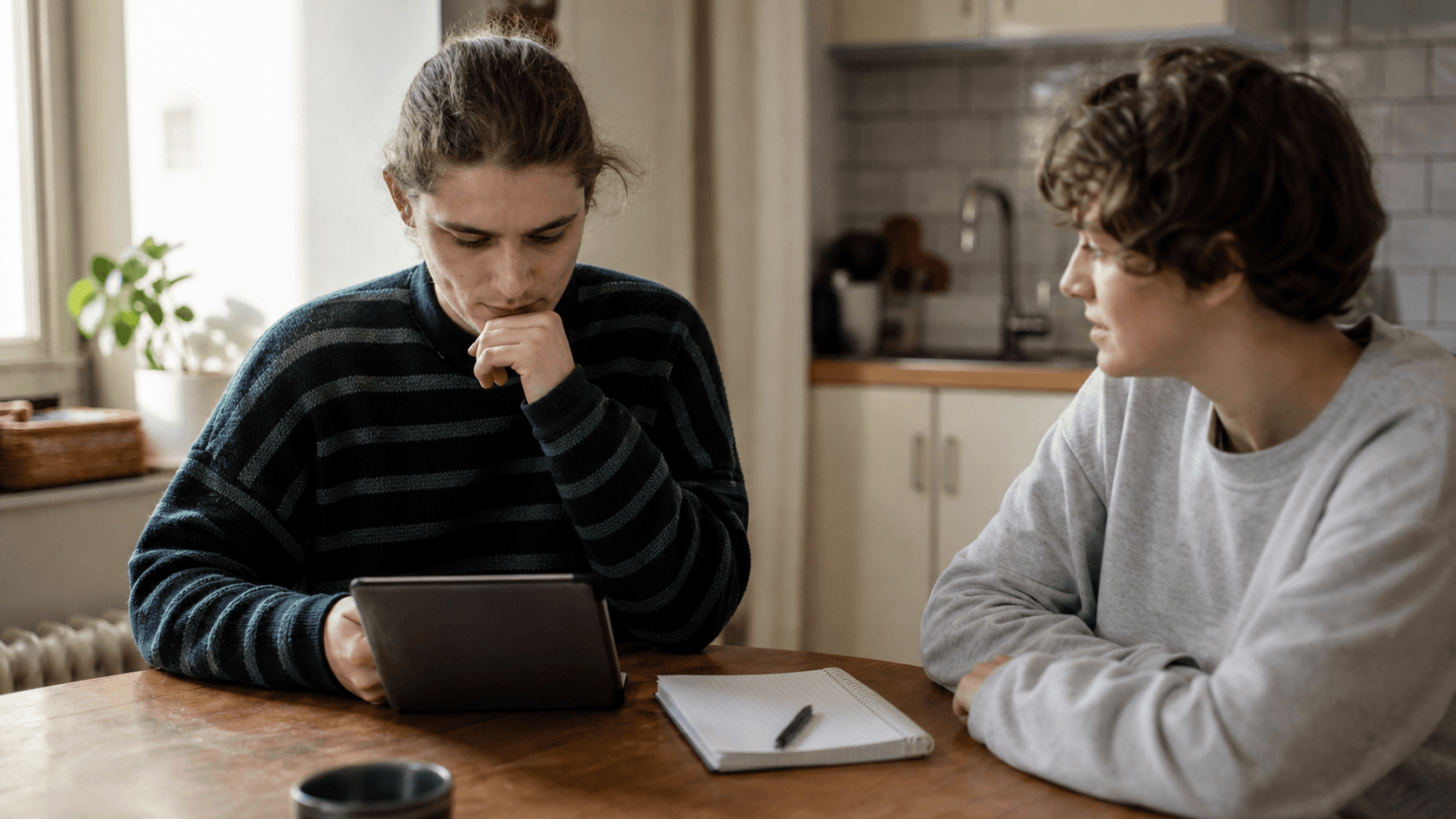
A large Swedish study found fewer recorded sexual-health visits among autistic young people. It describes a gap, not a reason or a solution.

This study of 2.56 million children found no MMR–autism association. It adds to a large existing body of research.

Twelve clinicians described barriers to autism-affirming care. Autistic people were not interviewed.

Parents described positive changes after one programme. The study cannot say what caused them.
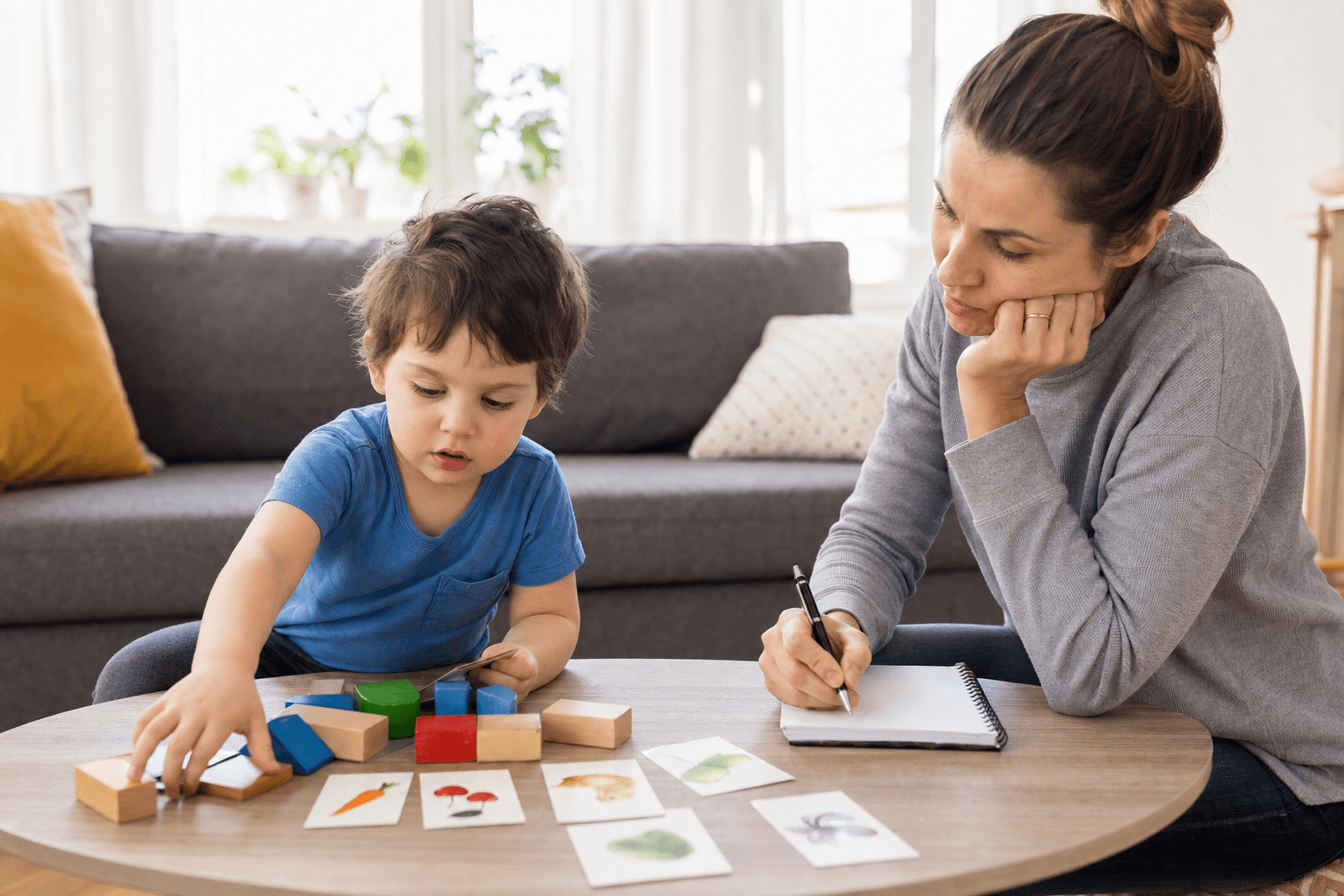
One study saw more reported sleep difficulties from age two in some groups. It cannot explain one child’s nights.
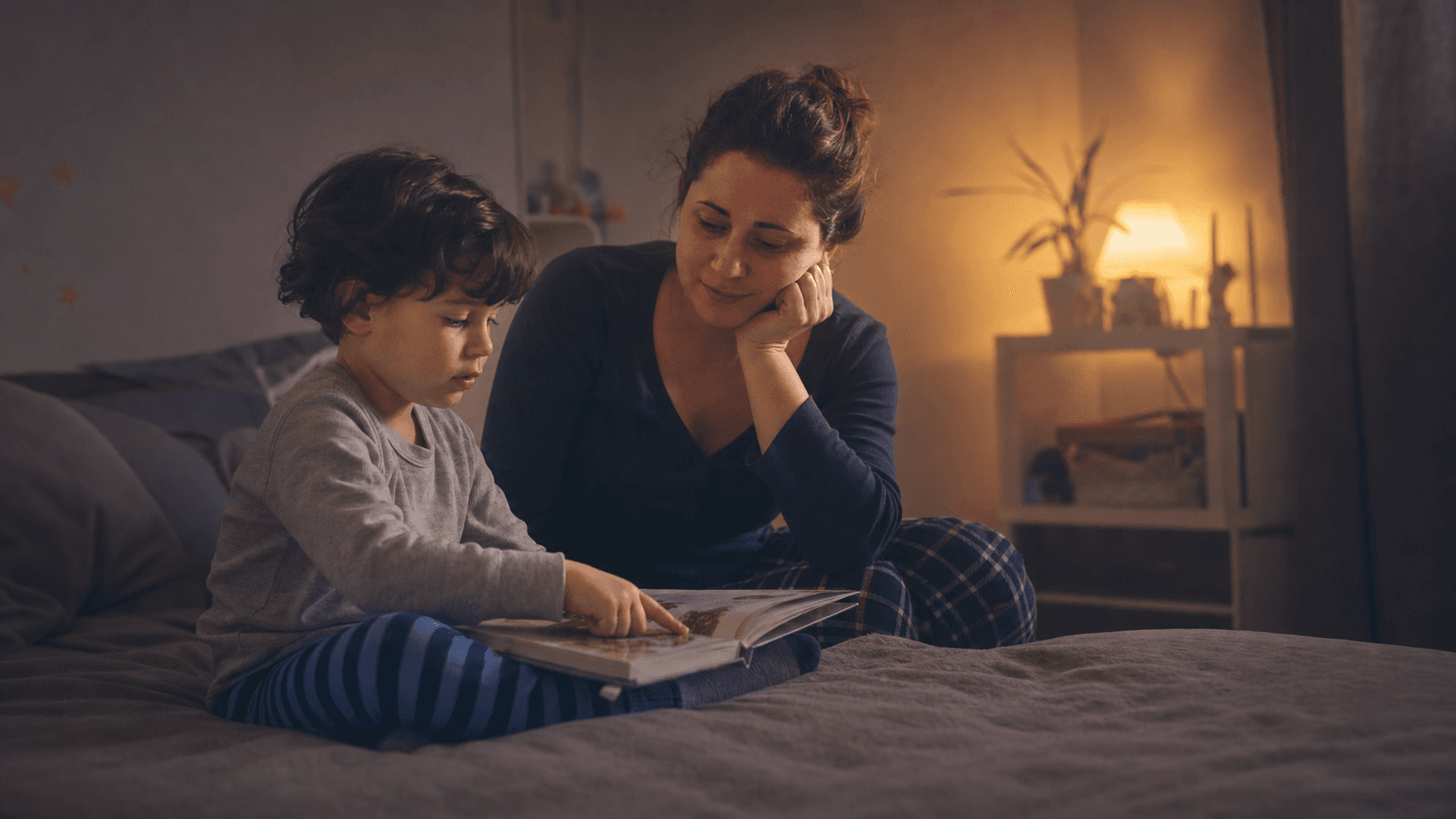
A small study watched English–Spanish family conversations. It found interaction in both languages, not a rule for every home.
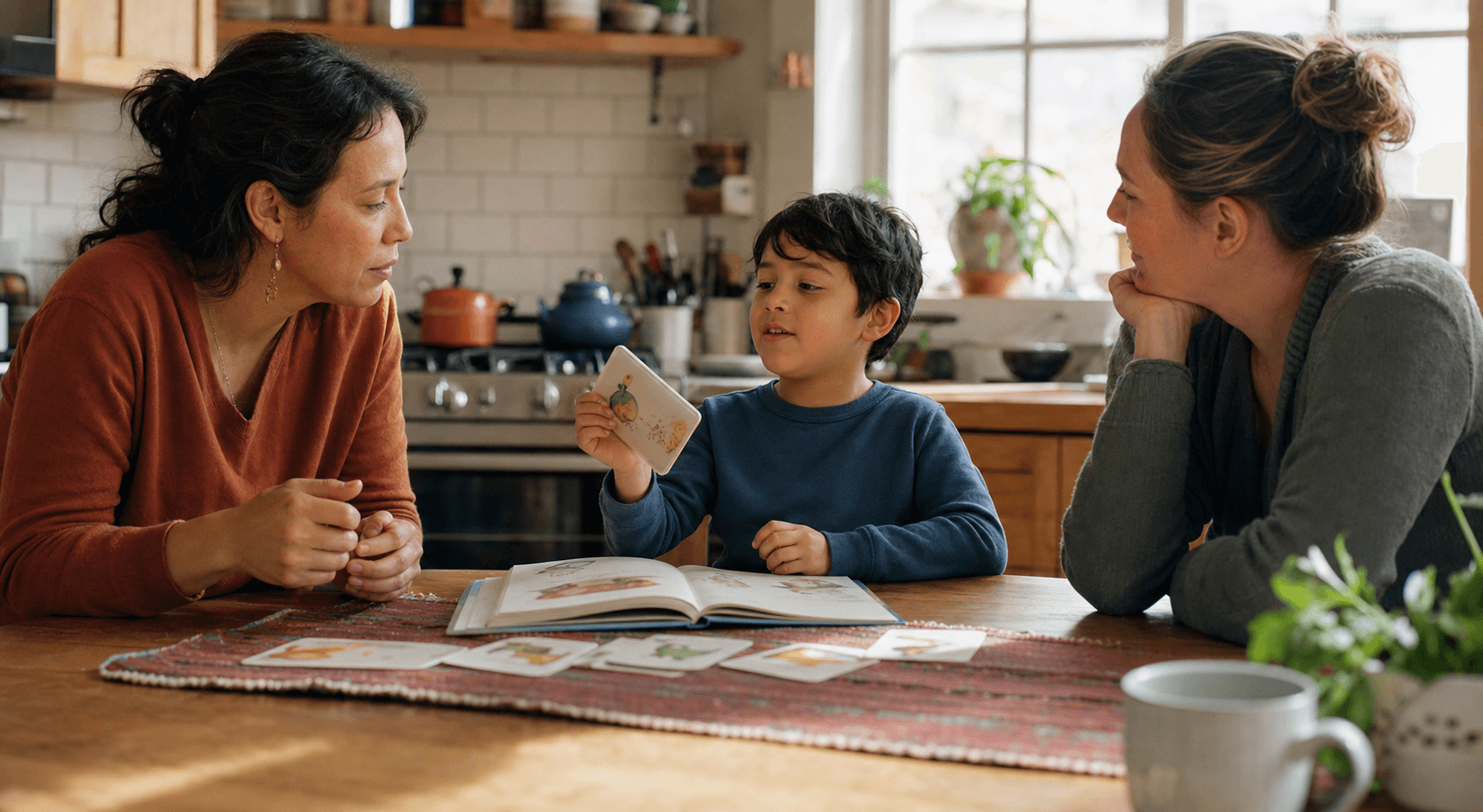
A review found a possible signal on some thinking tests. It cannot prescribe a child’s week.
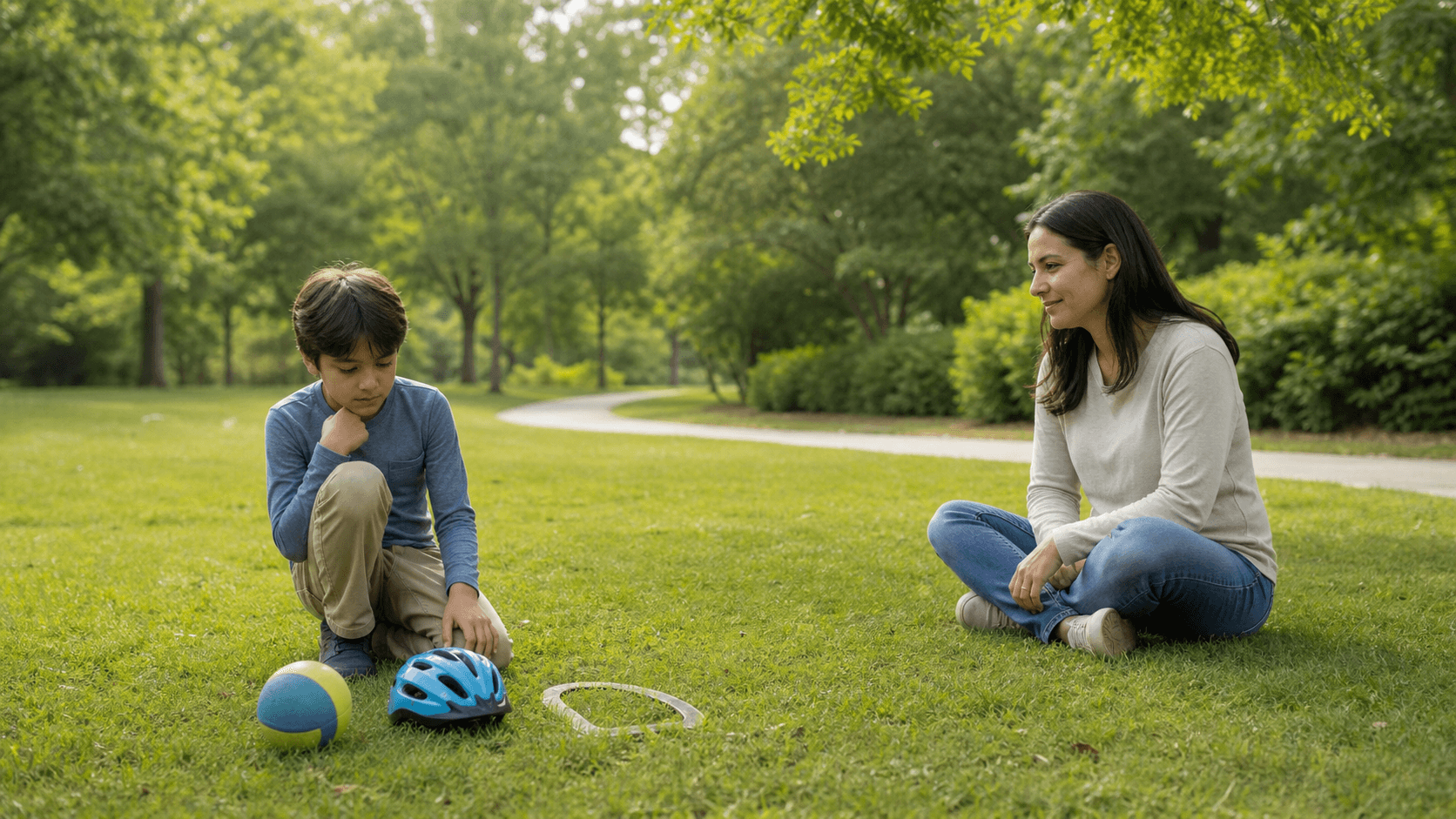
A service programme had some encouraging parent-reported results. It was not a controlled trial.

One local service saw different pathways for autistic teenagers. It cannot say why.
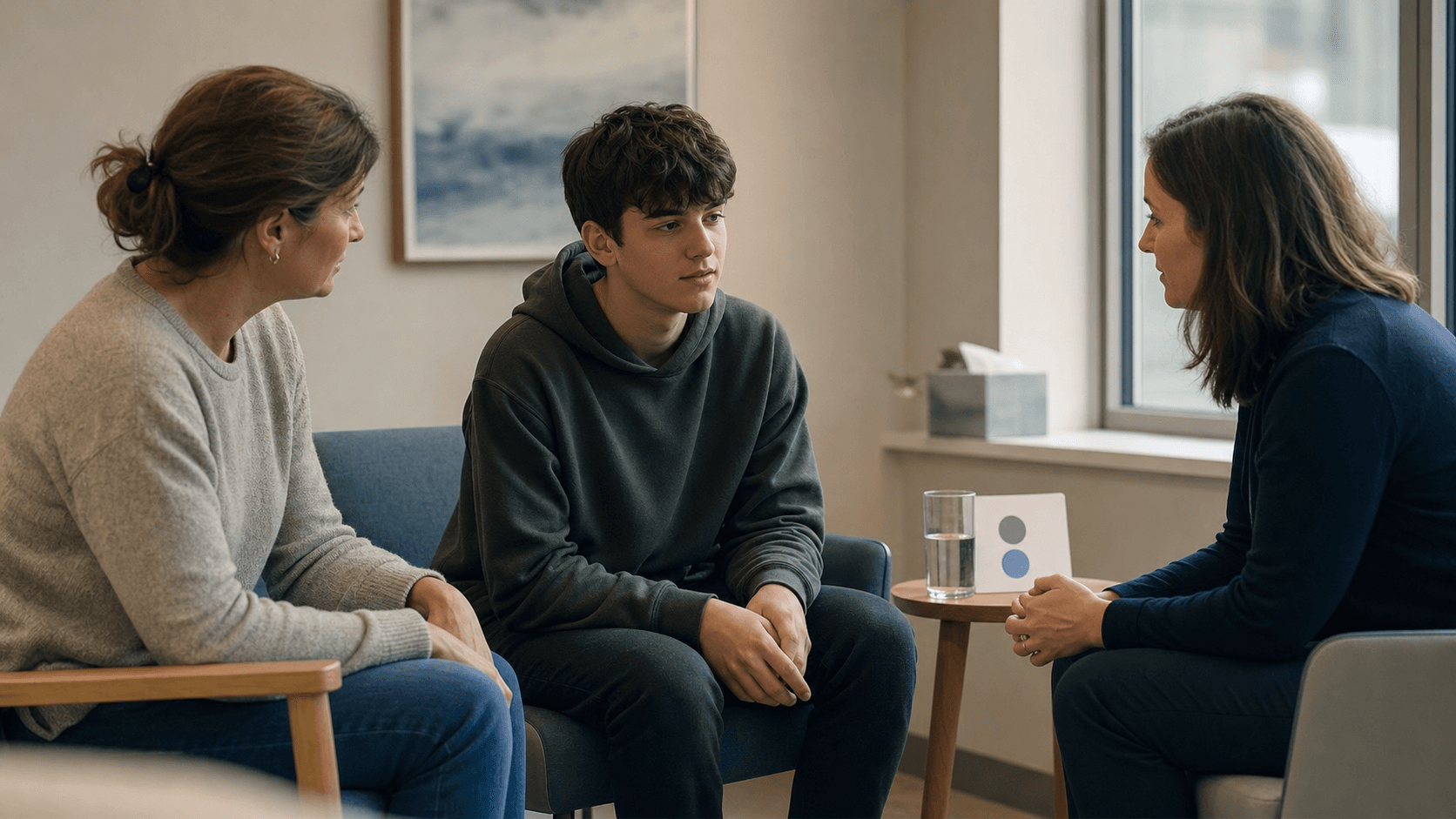
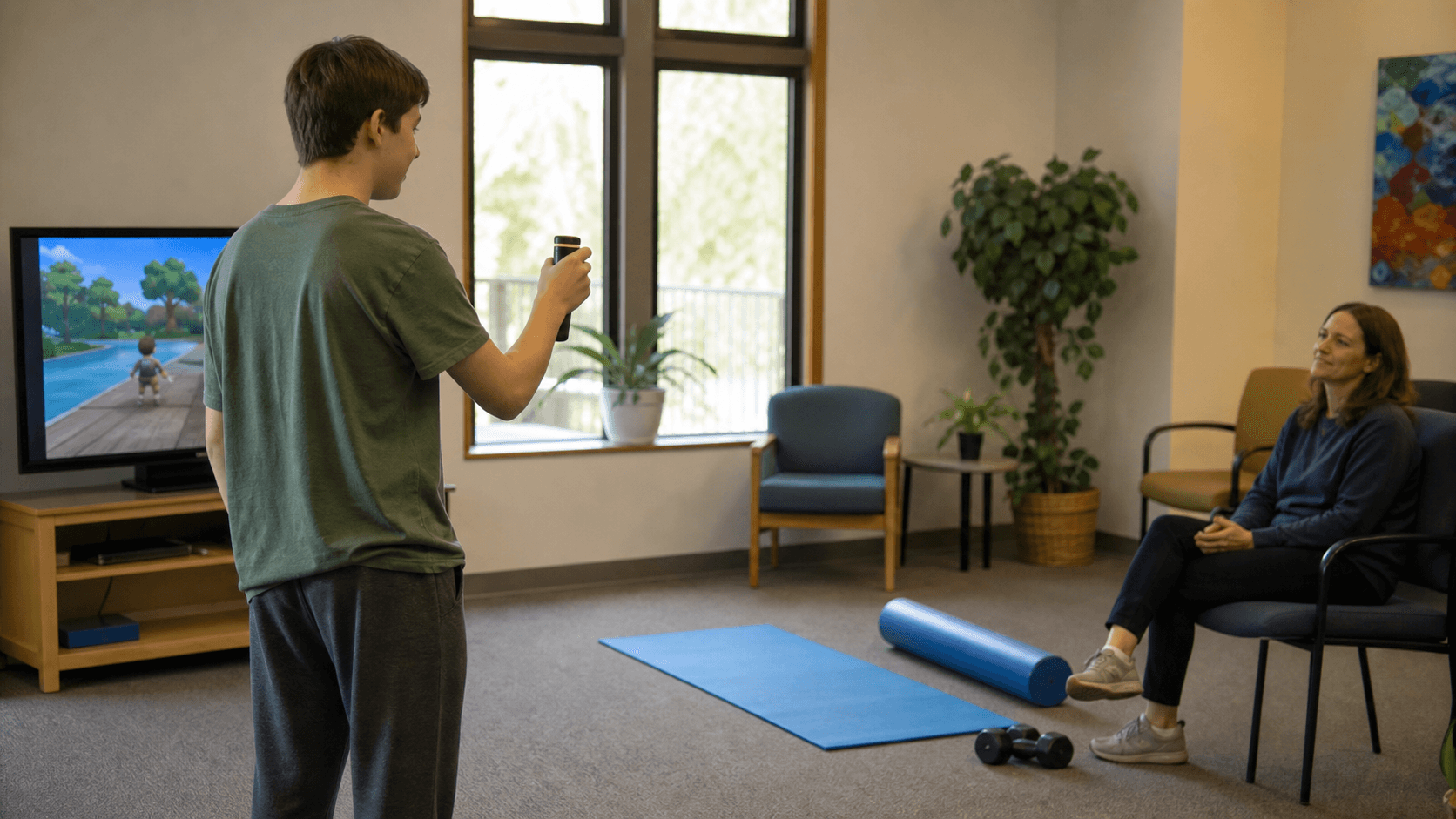
A review found a possible benefit on some thinking tasks. It does not make VR a must.
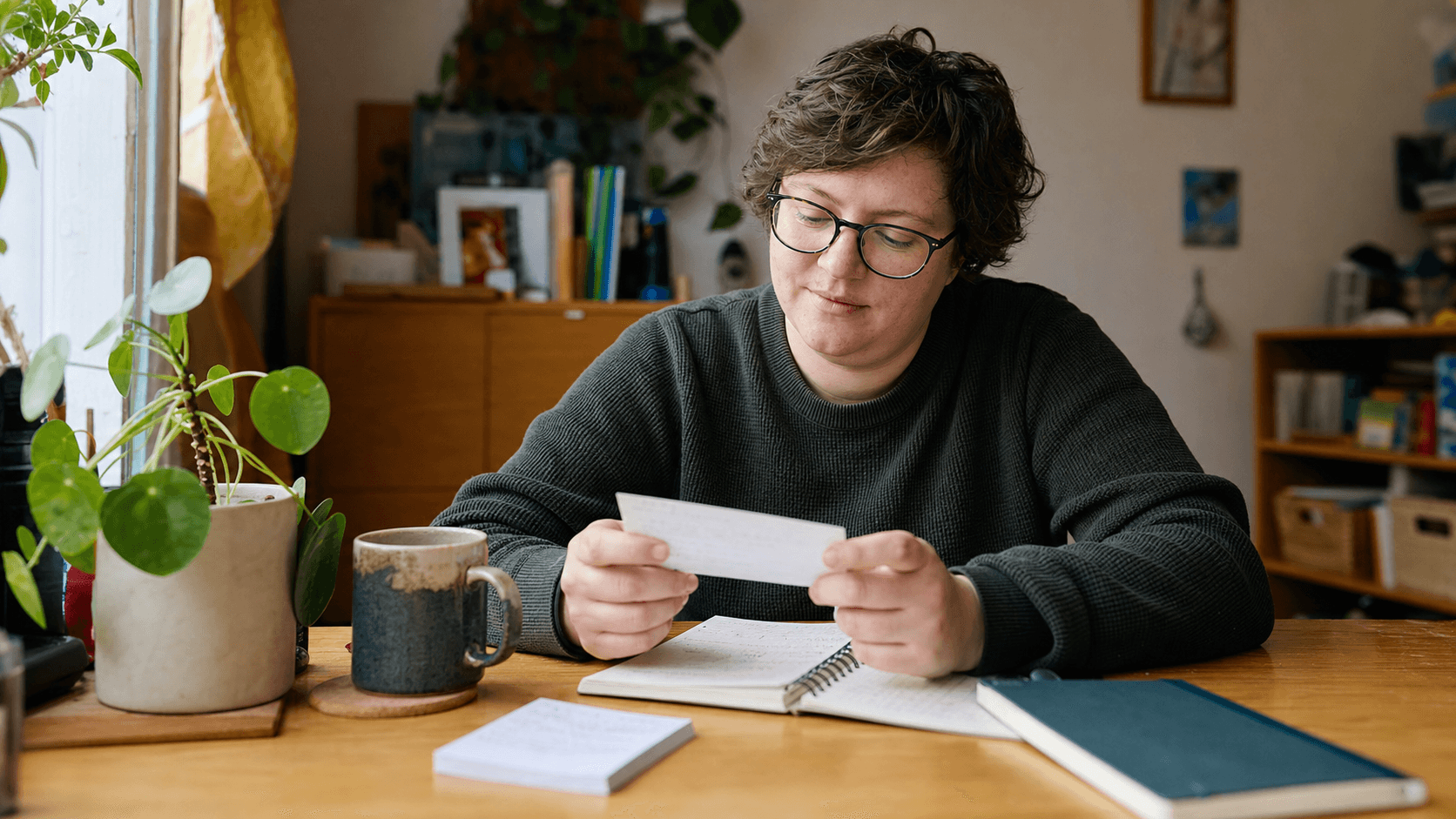
In a word-pair task, feedback after trying helped autistic adults remember. Everyday learning is more complicated.
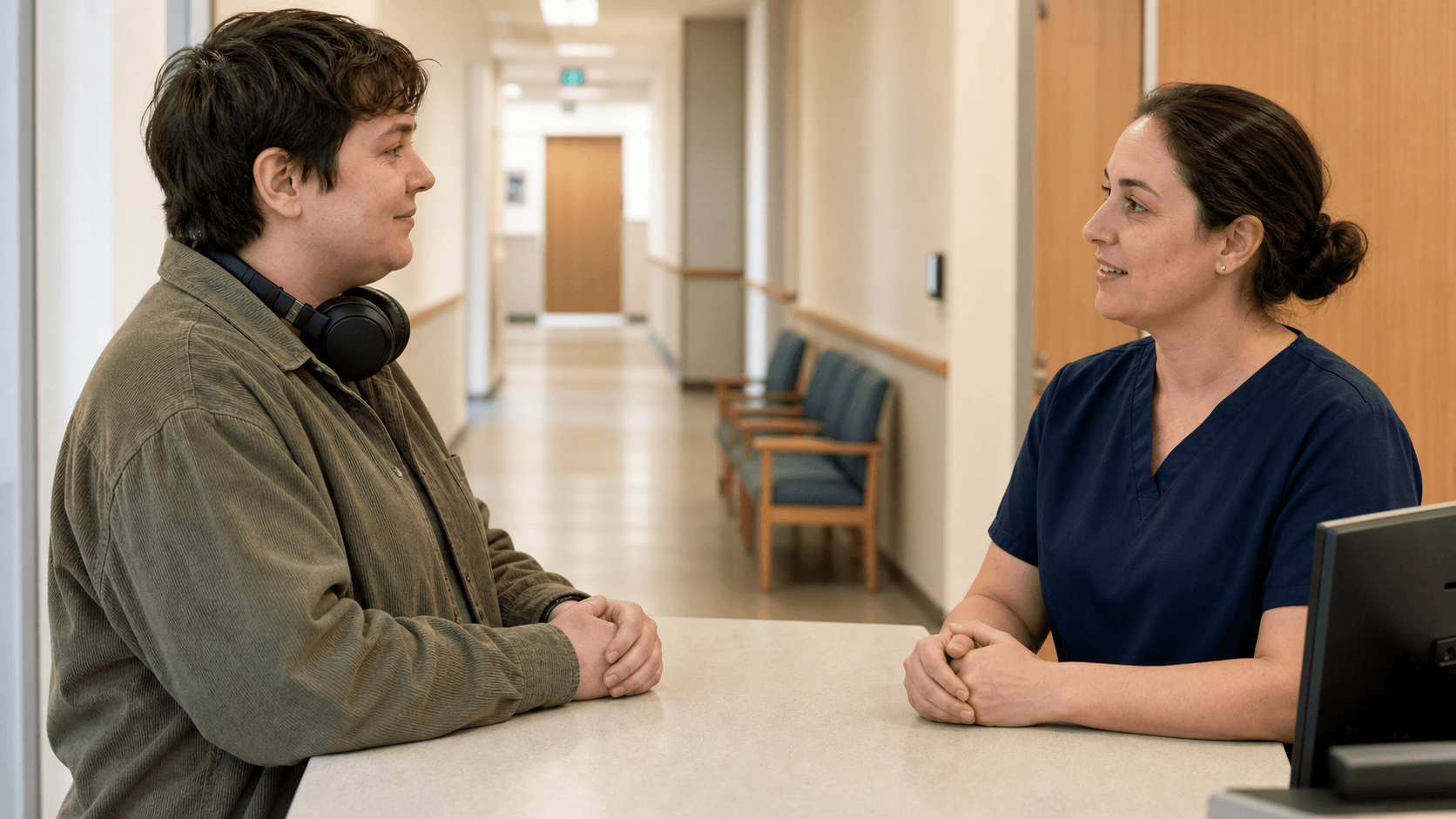
Ten radiographers described what they try to do. The study did not collect patients’ own views.
The M-CHAT-S looks promising in a first study. It needs much more real-world testing.

Twelve qualitative studies show what can make parenting support hard to reach — and more respectful.

One Australian survey found a local wellbeing gap. It is a reason to listen better, not to make assumptions about families.
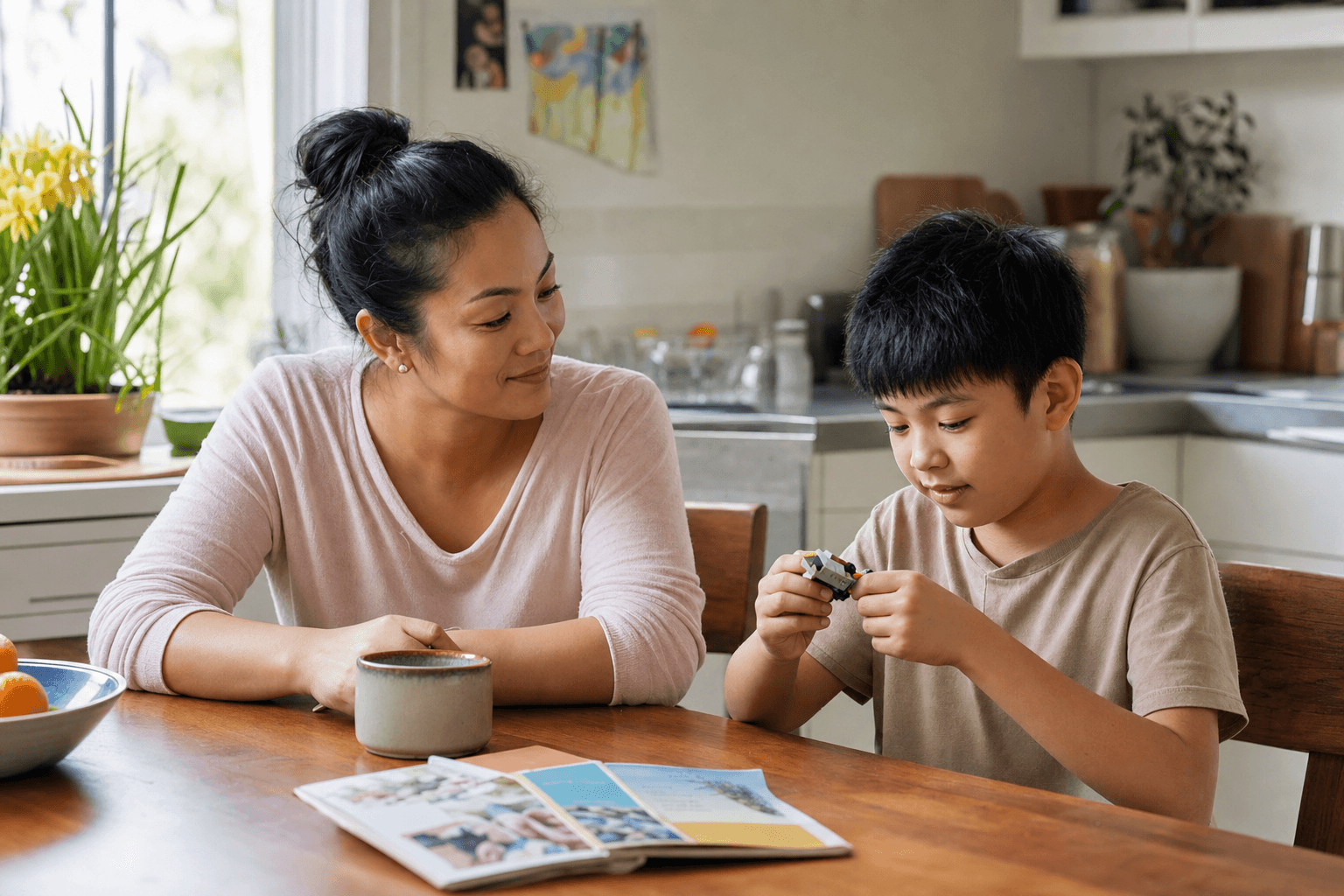
A clinic found three statistical patterns in reported health histories. They are prompts for better questions, not labels.

A review found possible motor-skill gains. Its studies were fragile, and the child’s own choice still matters most.
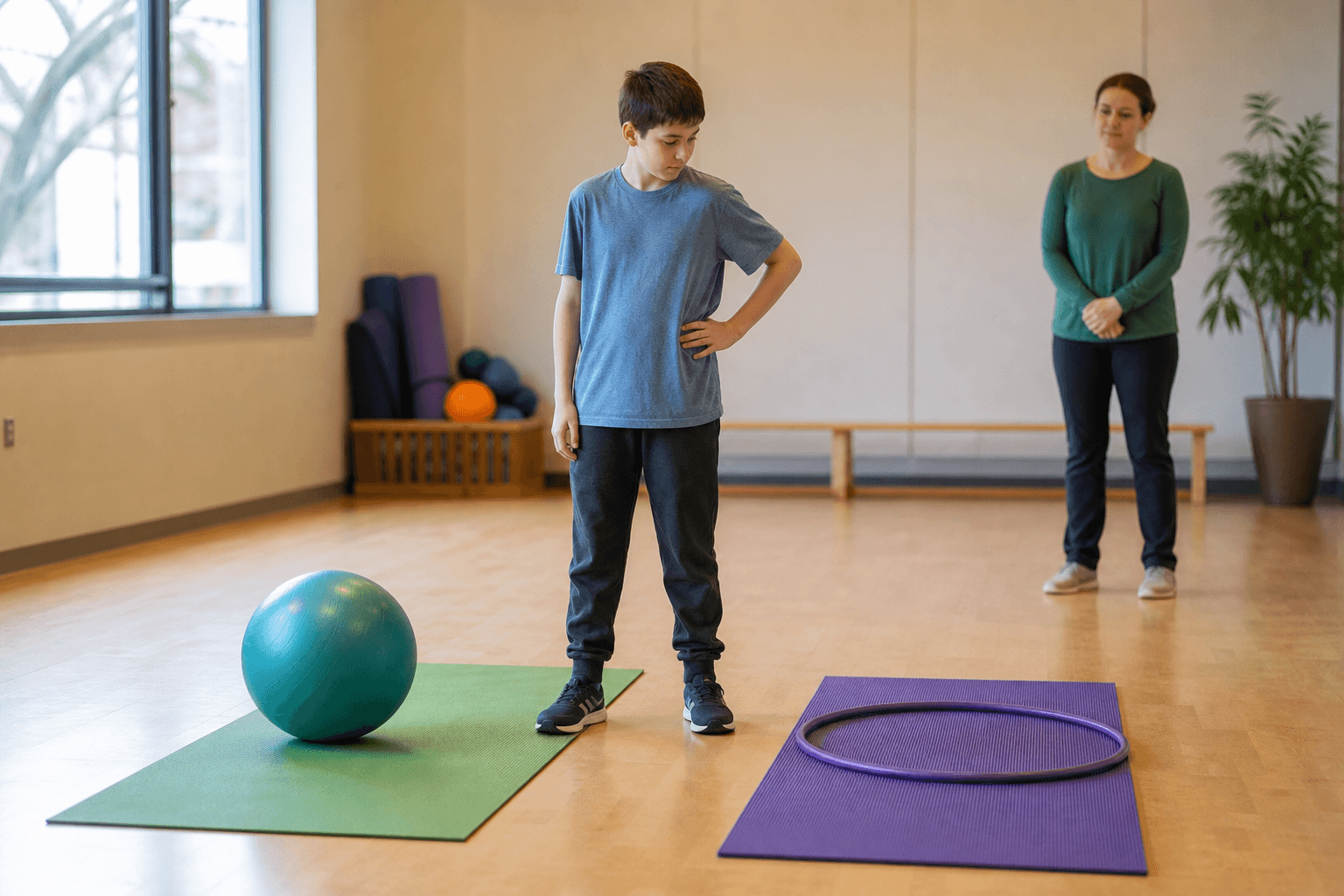
A review of 24 projects found many ways autistic pupils can take part in research. The missing piece was often what adults did next.

A review of 21 trials found that about one in four autistic young people left before the end. That is a prompt for flexibility, not pressure.
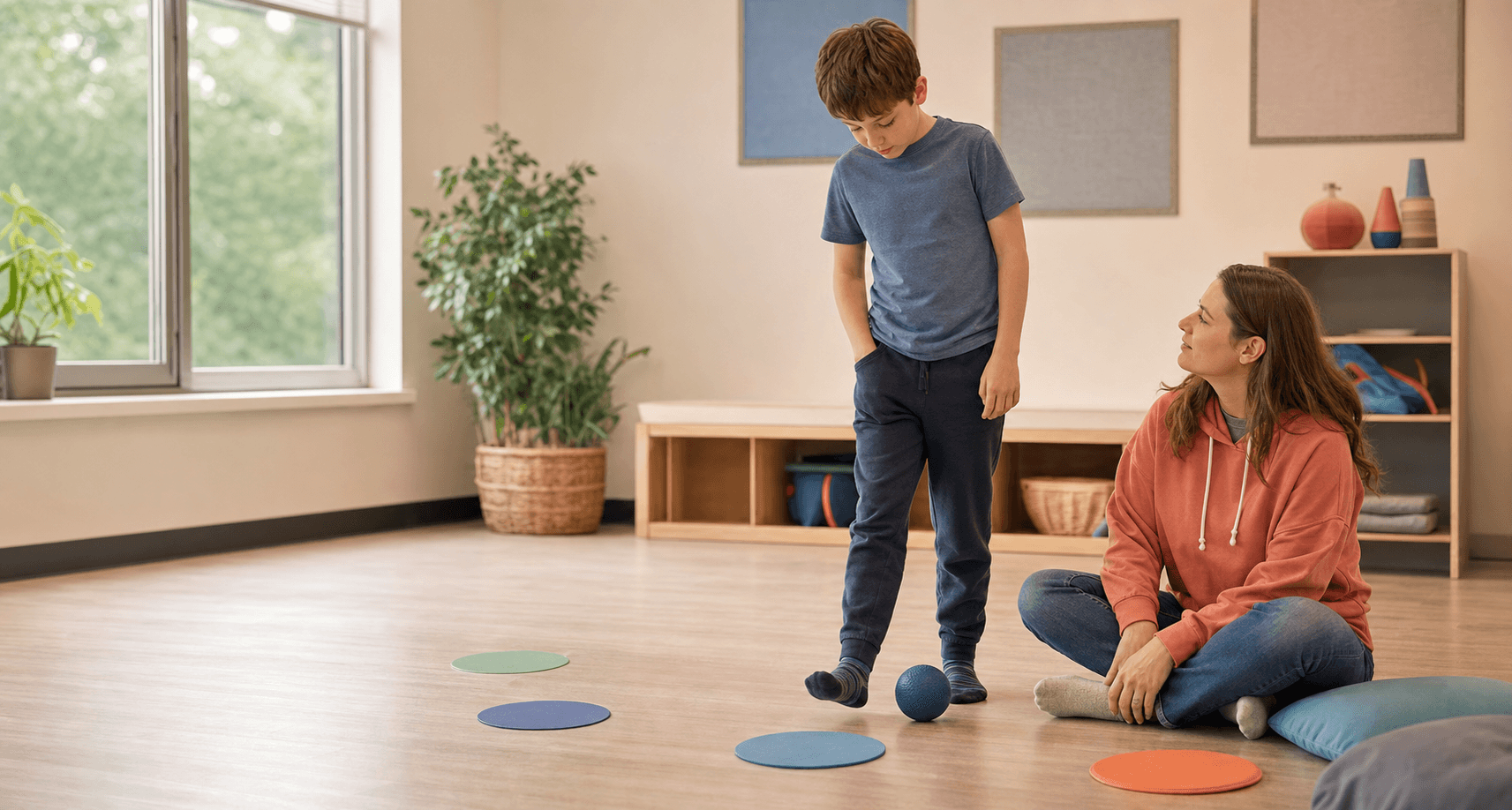
An adapted online programme helped some autistic adults sleep better. Half finished every module. Both facts matter.

A small trial found no extra language benefit when group music therapy was added to speech therapy. That is useful to know — without taking the joy out of music.
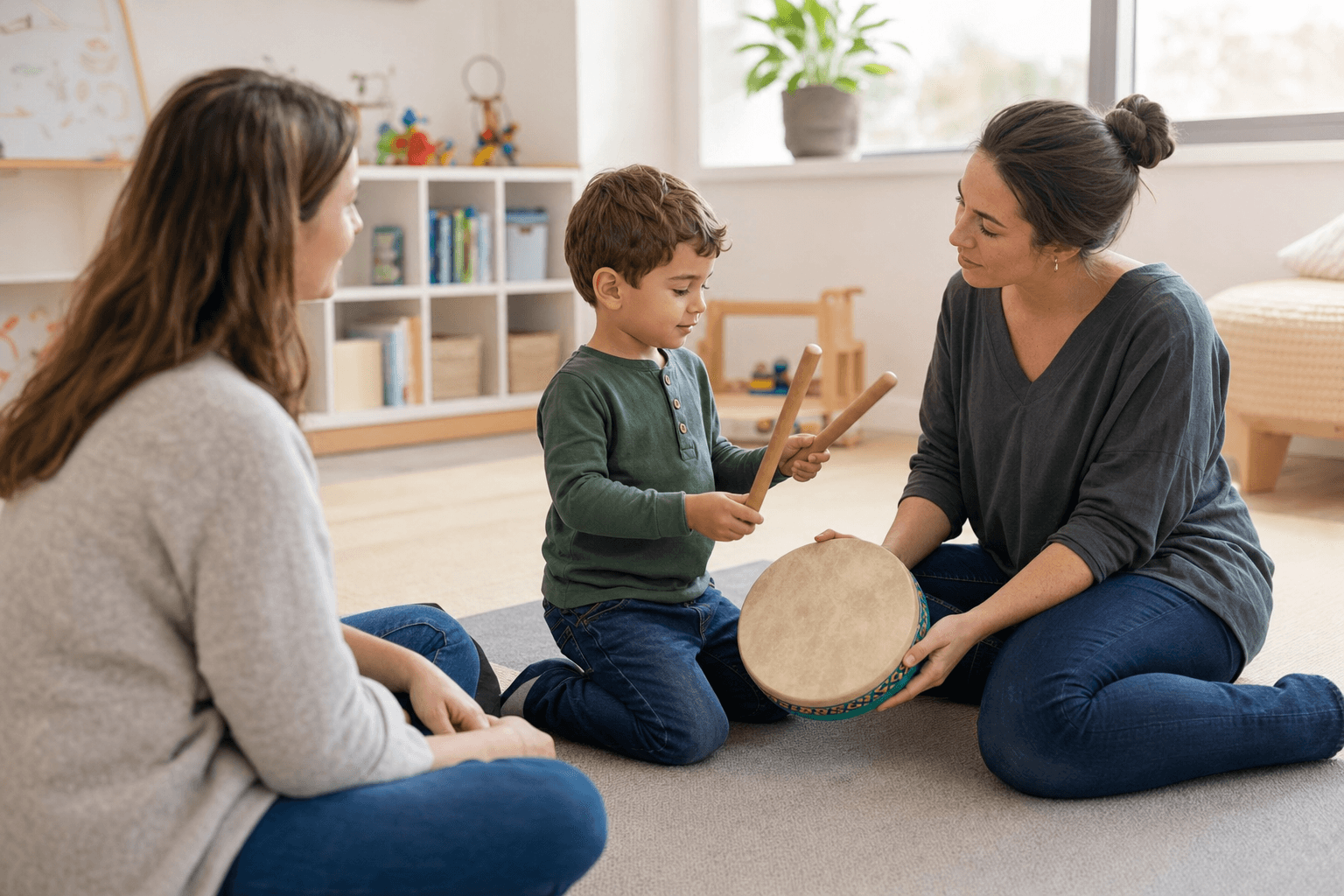
Autistic women and professionals said the questionnaires they reviewed still leave things out. A score can start a conversation; it cannot decide who you are.

Autistic adults describe what made a stress app feel useful — and what made it feel like one demand too many.

A large US study noticed more recorded eye conditions in autistic adults. Worth noticing. Not a reason to panic.
One French area counted more children. It is a real change in records — not proof of a sudden cause.

A careful guide for parents making choices for a young child.

A small study offers hope, with important reasons to stay cautious.
Mental health, diagnosis and useful support come before causes and ‘cures’.

Clear information and a safe way to say no are part of good research.
A simple way to look past ‘research-backed’ claims.
What a diagnosis can explain — and why it cannot predict a life.